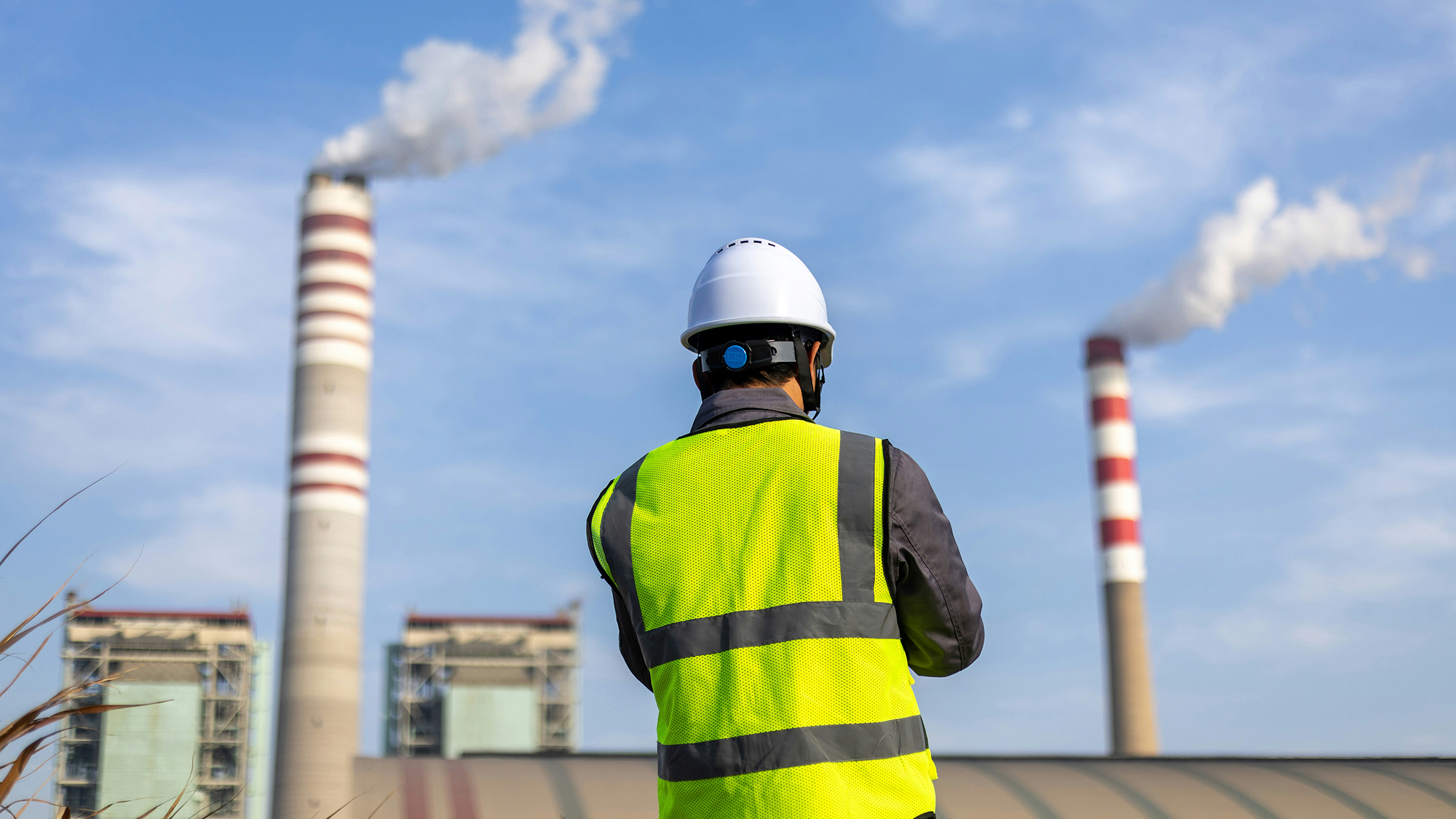

As Colorado’s energy economy evolves, policymakers and workforce strategists face the critical question of how this transition could eventually impact workers and communities. Colorado’s oil and gas industry has long offered high wages and strong career pathways – but it is also one of the state’s most volatile sectors, with employment swings of more than 30% during boom-and-bust cycles. In this report, BW Research dives into the demographics, wages, mobility patterns, and geographic concentration of the state’s 28,000-person oil and gas workforce, alongside the emerging industries poised to reshape Colorado’s energy economy.
Drawing on economic impact modeling, worker and employer surveys, and stakeholder engagement, the research finds that more than $14.7 billion in recent federal and state funding could support over 11,000 jobs for ten years across energy-related infrastructure and activity. Additionally, the same workforce that powered Colorado’s past can build its energy future – with many of these jobs aligned with oil and gas skill sets (e.g., hydrogen, carbon capture, geothermal, well remediation). While most workers are likely to transition without intensive intervention, a smaller subset may require targeted strategies and investment as the energy landscape evolves.
This report provides a data-driven roadmap for policymakers, workforce leaders, and industry stakeholders seeking to navigate uncertainty, protect high-quality jobs, and position Colorado at the forefront of emerging energy technology development. Download the full report to dive deeper into the workforce data facing Colorado’s oil and gas industry