
Energy Security & Affordability
We examine workforce, economic, and policy dynamics to help stakeholders balance reliability, affordability, and sustainability in complex and evolving markets.





What We Do
Balancing Reliability, Cost, and Economic Impact
BW Research analyzes the economic, workforce, and policy dynamics shaping today’s energy landscape. We help stakeholders understand how energy production, infrastructure investment, and regulatory decisions affect reliability, affordability, and regional economies. Through rigorous modeling and sector-specific research, we deliver insights that support practical, forward-looking energy strategies.
Comprehensive Expertise Across the Entire Energy Economy
Comprehensive Expertise Across the Entire Energy Economy
BW Research is a pioneer in energy economics and workforce research, having conducted more than 100 energy studies globally over the past 15 years. BW has researched numerous individual energy technologies for workforce implications, including solar, nuclear, electric vehicles, oil and gas, hydrogen, smart grid and energy storage, onshore and offshore wind, and energy efficiency and building technologies—incorporating economic impact modeling, supply chain assessments, workforce planning, and stakeholder engagement.
BW has its finger on the pulse of the energy sector, having led more surveys of energy businesses than any other research firm in the field, and hosted thousands of research interviews and facilitated focus groups, collaborative human-centered design and active listening sessions, and workshops with energy companies, workers, agencies, and investors.
Specific Leadership Within Clean Energy and Climate-Related Technologies
Specific Leadership Within Clean Energy and Climate-Related Technologies
BW pioneered defining and measuring the green economy, having created the federal template for energy job quantification and built experience on these topics across the country. Across more than a dozen states, BW Research has quantified states’ clean energy, climate tech, and climate resilience and adaptation economies.
Pioneers in Energy Workforce Research
Pioneers in Energy Workforce Research
BWR leads the nationwide U.S. Energy and Employment Report (USEER) in partnership with the Department of Energy. USEER is the only energy employment quantification tool of its kind and has been cited in over one hundred employment analyses and energy industry reports.
BW has developed a proprietary energy workforce needs assessment framework and has conducted these workforce studies for state and local governments and utilities in two dozen states, including Colorado, Utah, Pennsylvania, Washington, Illinois, New York, Massachusetts, New Jersey, Delaware, Connecticut, Maine, Rhode Island, and California.
Navigating Complex Energy Transitions
Navigating Complex Energy Transitions
BW specializes in translating complex energy technology transitions into actionable workforce strategies that minimize operational risk, empower workers, and expand access to emerging job opportunities. As energy technologies evolve and respond to dramatic changes in the energy sector, BW is well-placed to explore the challenges and opportunities this brings to communities, workers, and employers.
BW Research has conducted numerous studies on the workforce impacts of transitioning to electric and ZE vehicles, as well as workforce studies on the impact of automation for different occupations. Recently, BW Research provided a comprehensive analysis of oil and gas workforce transitions as well as those impacted by industrial decarbonization and expanded building electrification.
Quantifying the costs and benefits of energy policies and programs to ratepayers
Quantifying the costs and benefits of energy policies and programs to ratepayers
BW has proven experience conducting quantitative cost-benefit evaluations demonstrating the year-over-year economic impacts to ratepayers from clean energy incentive programs
Our firm regularly conducts program impact evaluations for states and regions, leveraging wide-ranging expertise across energy policies and programs. This includes quantifying the economic, environmental, and community benefits of deployment policies, as well as customized cost-and-labor-hour economic modeling for energy efficiency and solar projects.




Other Issues We’re Tackling
-

Economic Impact
Quantifying how industries, investments, and policies shape regional and national economies to inform strategic decision-making.
-
Supply Chain Development
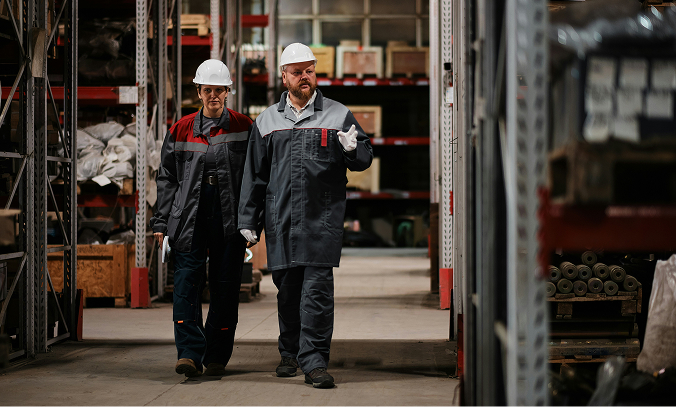
Assessing supply chain capacity and workforce readiness to strengthen resilience and competitive growth.
-

Workforce Planning
Analyzing labor market trends and talent pipelines to support data-driven workforce strategies and long-term growth.