
I flew into Colorado last Tuesday for my second NASEO Annual Meeting, excited to learn more about what’s top of mind for state energy offices and especially interested in how the conversations might compare to my experience two years ago. To no one’s surprise, three topics dominated the conversation: AI, data centers, and nuclear energy.
Artificial Intelligence
At first glance, AI seems somewhat counterintuitive to clean energy progress, particularly given its rapidly growing energy demands. While admittedly a skeptic, I left NASEO feeling hopeful that AI could actually help accelerate the energy transition.
It’s no surprise to anyone working in energy that lengthy permitting and approval processes can present major barriers to energy development. At the same time, data center developers aren’t necessarily willing to wait years for new grid infrastructure or energy projects to come online. Some are turning to behind-the-meter generation, including natural gas, to meet their immediate energy needs.
What interested me was the potential for AI to help address some of these longstanding permitting challenges. Using AI to streamline administrative reviews, process documentation, and identify potential issues earlier could save valuable time without sacrificing necessary oversight. If we can make it easier to develop and connect new energy infrastructure, we may also make clean energy a more attractive option for companies facing urgent electricity demands.
Data Centers
Speaking of data centers, I had almost the same experience: coming in skeptical and leaving more hopeful that thoughtful policies and industry practices can help ensure data centers benefit the communities that host them.
Katie Ottenweller, Head of Community Power and North America & Southeast Regional Lead at Google discussed her work of “doing data centers the right way.” A major theme was ensuring that data centers pay their fair share of energy infrastructure costs, protecting existing ratepayers, and creating meaningful benefits for surrounding communities.
I was particularly interested in Google’s approach to community investment. Through partnerships with local organizations, utilities, and governments, Google is supporting initiatives that address needs identified by communities, including pre-weatherization improvements to homes and community resilience projects.
While these approaches don’t eliminate all the challenges associated with data center development, they offer examples of how growing electricity demand could be paired with investments that benefit local residents.
Nuclear Energy
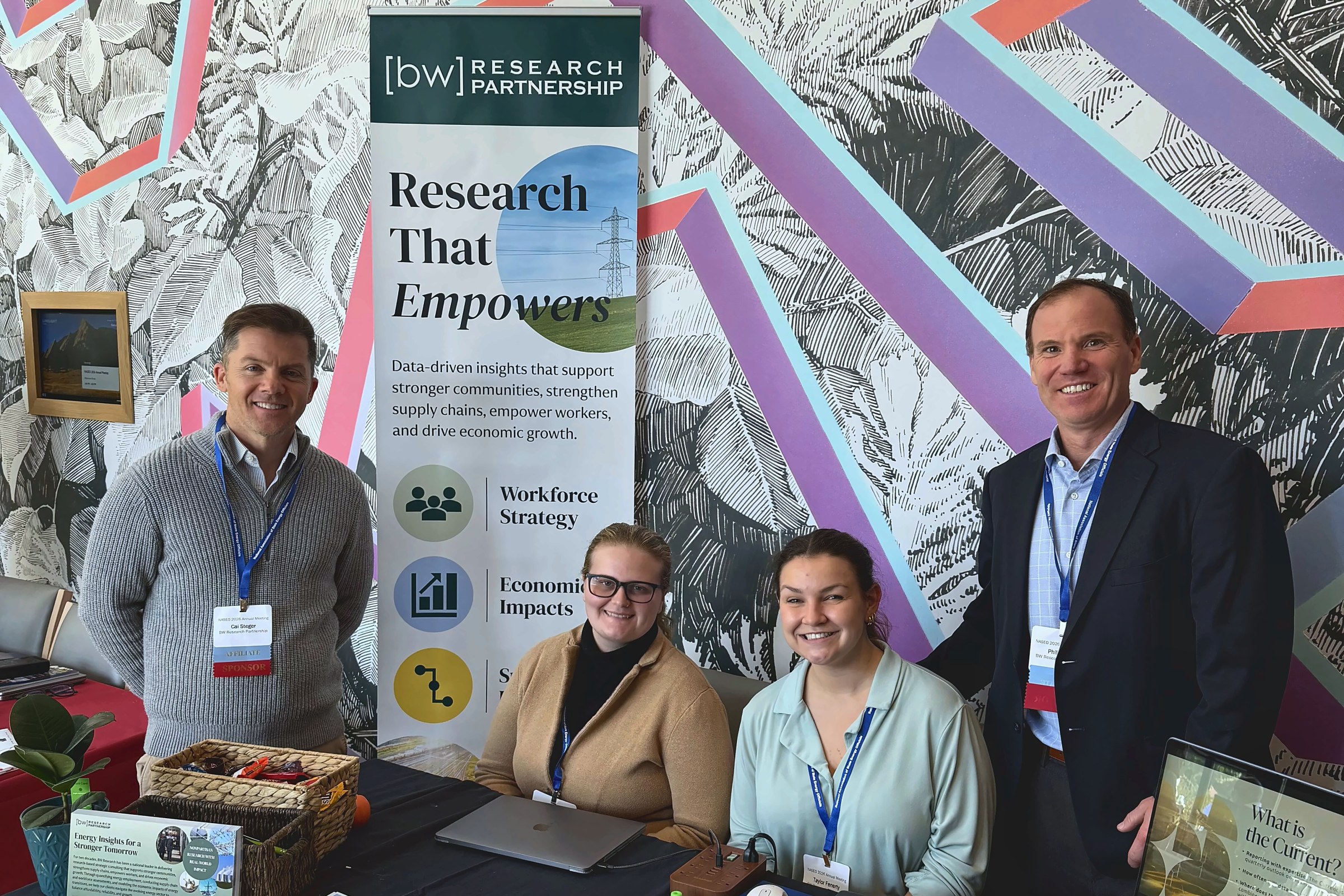
While I admittedly spent a little less time learning about nuclear than the other topics (someone had to man our booth and hand out candy!), it was clear that states are taking a growing interest in advanced nuclear energy.
As more states develop strategies to deploy nuclear and explore potential investments, workforce development needs to be part of the conversation from the beginning. Nuclear projects have the potential to create high-paying career opportunities, drawing on existing skills across construction, skilled trades, and engineering. But realizing those opportunities will require intentional workforce planning, training partnerships, and investment.
A Few Other Takeaways
Beyond these three topics, I particularly enjoyed learning about energy technologies and challenges in states where I haven’t yet had the opportunity to work.
Hydropower was a fascinating example. In parts of the Colorado River Basin, prolonged drought and declining reservoir levels are threatening existing hydropower generation. At the same time, there are opportunities to expand hydropower generation elsewhere in the country, including through upgrades to existing infrastructure. It was an interesting reminder of how differently energy opportunities and challenges can look across regions.
I also took a particular interest in geothermal heating and cooling. I learned more about how these systems operate, their potential applications in the Northeast, and the workforce needed to support their growth. One especially interesting connection is the potential for workers with drilling experience, including those from the oil and gas industry, to transfer their skills into geothermal development. In parts of the country with established drilling industries, that existing workforce offers a natural advantage. In the Northeast, expanding geothermal heating and cooling could require more intentional efforts to build specialized drilling capacity and connect existing HVAC and construction workers to new opportunities. As someone who spends a lot of time thinking about workforce development, I’m excited to explore that challenge further in our upcoming work.
Thanks to everyone I had the chance to speak with! I’m looking forward to seeing how these conversations and the opportunities they present have evolved by the next time I attend the NASEO Annual Meeting!