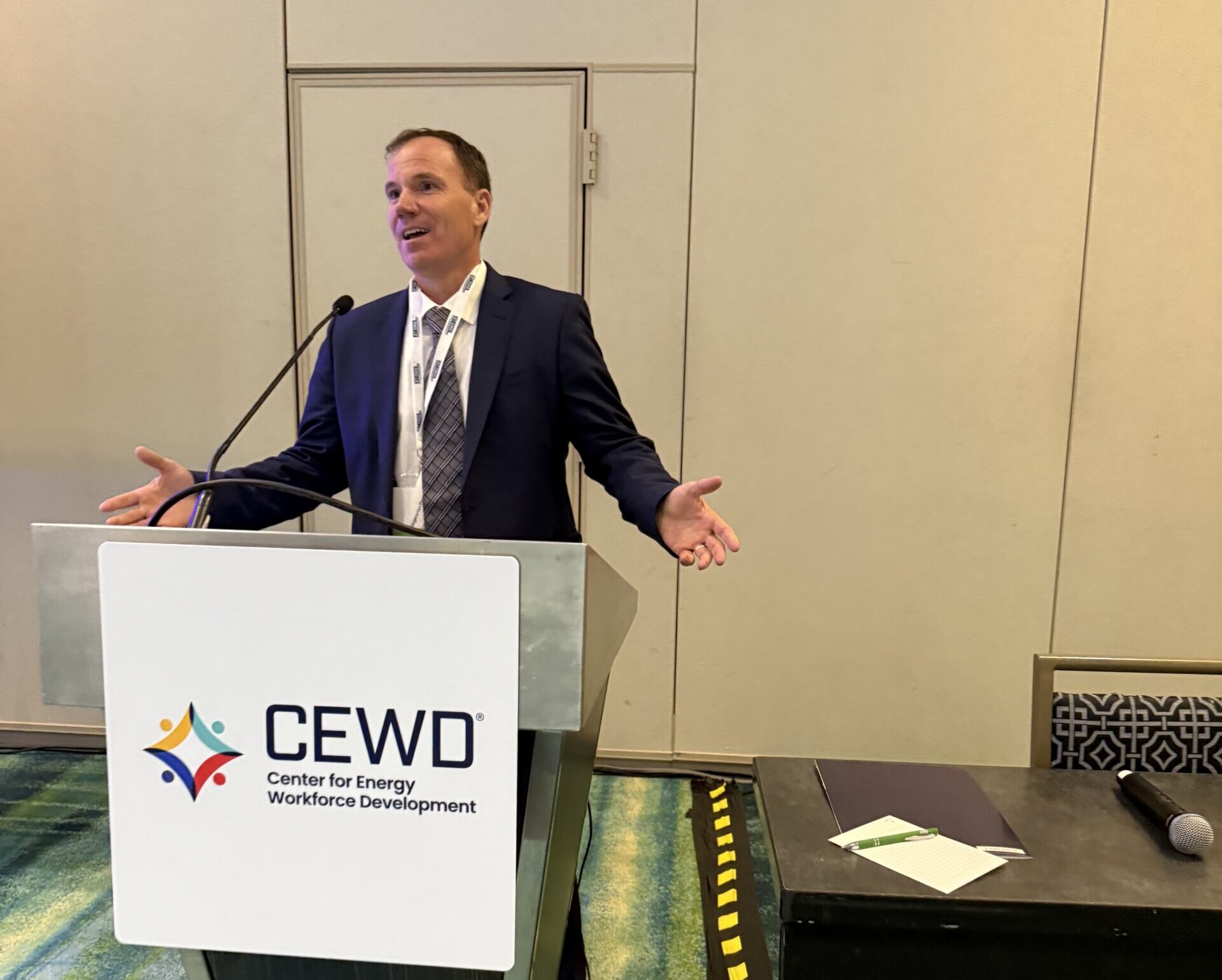
This week I attended the 2026 CEWD Workforce Development Summit at National Harbor with my colleague. BW Research was proud to sponsor this year’s event. Now in its 20th year, the Center for Energy Workforce Development (CEWD) brought together utilities, energy companies, educators, training providers, economic developers, and funders around four themes: engaging students and educators, building earn-and-learn pathways, strengthening the core of workforce strategy, and the role of AI and automation in the energy workforce. A few topics came up again and again, in sessions and in hallway conversations.
Energy Is THE Jobs Story
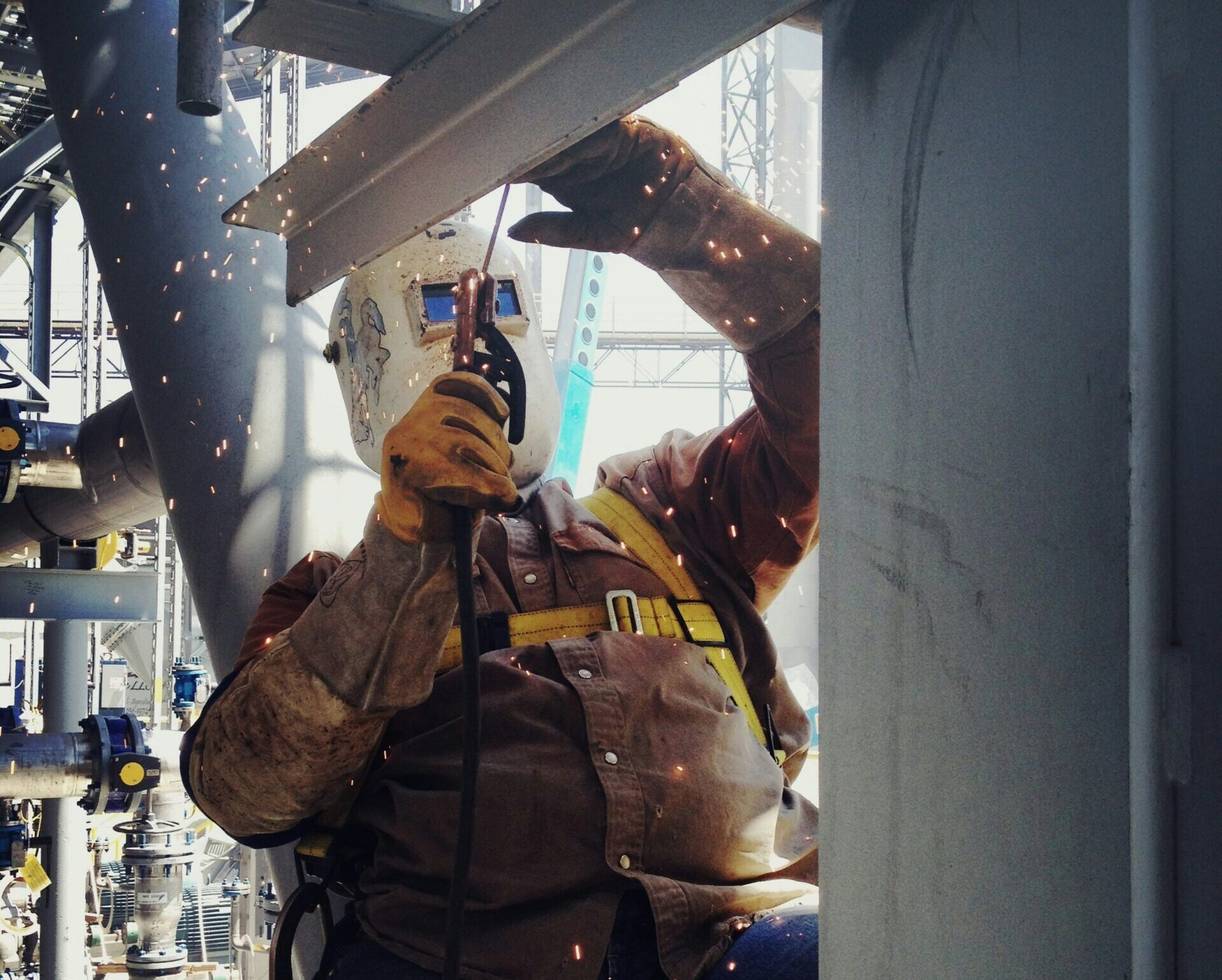
Much of today’s economic conversation is about the impact of Artificial Intelligence and automation, and for good reason. But from a workforce perspective, no industry is more poised for significant job growth than energy. Projected demand for new generating capacity, along with new and replacement transmission and distribution infrastructure, will create large numbers of high-quality jobs across a wide range of disciplines, from line workers and electricians to engineers, technicians, and project managers.
But this life-changing opportunity is not reaching enough people. Many students, and the parents and counselors who advise them, do not see energy as a growing field with stable, well-paying careers. If we want to meet the moment, we need to tell that story early, well before young people choose a path. And workforce development doesn’t end there; meaningful and sustained investment in people is necessary to ensure that workers continue on sustainable, high-wage career pathways.
Making the Case to Leadership
On day one, I facilitated a session for the workforce consortia meeting that focused on a shared frustration: strong workforce programs often go unnoticed by the executives who set budgets and priorities. The conversation was candid and detailed, and it came down to three things. First, act on the problems leadership already cares about, such as hiring for hard-to-fill roles and replacing retiring workers. Second, measure results in terms executives use, not just enrollments and completions. Third, communicate those results consistently, and in alignment with larger company goals, so that workforce development is seen as a strategic investment rather than a cost.
The Advanced Nuclear Workforce
Interest in advanced nuclear has grown quickly, and so has the question of whether we will have the people to design, build, and operate a new generation of reactors. On day two, I presented on the opportunities and challenges in building that workforce, drawing on national trends and select data from our recently released nuclear workforce study for NYSERDA. The study found that developing up to 5 GW of advanced nuclear capacity in New York could support roughly 7,800 additional construction jobs at peak and about 4,000 additional permanent operations jobs, about double the state’s existing nuclear workforce. Most of these roles will require some supplemental nuclear-specific training, such as safety and QA/QC, but the core training for these occupations already exists. The key is to plan for these jobs in the context of the broader economy, because many sectors are drawing from the same pool of workers for the same occupations.
The central challenge is timing. Many nuclear roles take years of training and experience to fill, so the workforce has to be built ahead of demand, even while the pace and scale of deployment remain uncertain. That calls for flexible, no-regrets strategies that build on related skills in the existing energy and construction workforce, and strengthen the overall workforce ecosystem.
Data for Philanthropy
The philanthropy forum (co-hosted by CEWD and Invest in our Future) focused on how funders can make the biggest difference for energy workers. A recurring point was the need for relevant, actionable data: philanthropic dollars go furthest when they are aimed at real gaps, and that requires knowing where those gaps are, and critically, why they exist. The group also discussed system-wide changes that center workers, and how philanthropy can supplement existing wraparound services and technical training to improve outcomes for participants.
A Few Other Takeaways
Incredible energy workforce development work innovation is happening all around the country, and the Summit was a good reminder of how many thought leaders and on-the-ground experts are driving it. At the same time, there is still much to learn about how to unlock the sector’s potential. We need to understand why bottlenecks exist and how policies and programs can better support new entrants. We need to find ways to upskill incumbent workers and help them advance. And we need meaningful knowledge transfer, so the deep experience of today’s workforce helps train the next generation.
Thank you to CEWD for a well-organized, fun, and impactful event, and to everyone who shared their work and ideas over the past few days. I look forward to continuing these conversations in the year ahead.